

Overview of Humanitarian Logistics in Brazil and the World: Perceptions, Occurrences and Practices
Critical Analysis Based on Applied Research for Professionals and Volunteers in Humanitarian Logistics, Emergency and Disaster Management
1. SUMMARY
This article presents a comprehensive analysis of the diffusion, perception, and practices of humanitarian logistics in Brazil and worldwide. Based on a survey conducted between 2019 and 2021 with 341 participants from 55 countries , the study sought to understand how technical knowledge and practical experience in disasters, wars, and humanitarian crises are distributed among logistics, emergency response, and academic professionals. The data reveal significant disparities between perceived expertise in the field and actual practical experience, as well as challenges related to training, institutionalization of specialized sectors, and understanding the importance of humanitarian logistics at different stages of crisis management. The article also discusses the geography of occurrences, the professional profiles involved, the types of events faced, and the structural gaps that directly impact operational efficiency. The participants' perceptions and responses reflect the local and regional realities in which they operate—their cultures, policies, previous disaster experiences, and institutional structures—revealing how these contexts shape the way humanitarian logistics is understood, applied, and disseminated across different territories. Finally, the study proposes reflections on the need for greater regulation, training, and integration among the various actors involved, highlighting the importance of a more strategic, contextualized, and ethical approach to humanitarian aid management.

2. INTRODUCTION
Humanitarian logistics has established itself as a strategic area in addressing socio-environmental disasters, armed conflicts, health emergencies, and extreme events that require rapid, integrated, and effective responses. Much more than simply moving supplies, this activity requires meticulous planning, efficient management of human and material resources, geographic and territorial understanding, communication in critical contexts, and mastery of sociocultural and religious knowledge—essential factors for ensuring humane and respectful interventions for affected populations.
Despite the growing visibility of humanitarian logistics in recent years, significant gaps remain in professional training, technical expertise, and the institutionalization of robust operational protocols. In many regions, especially in areas of political instability or precarious infrastructure, operations are still largely improvised, lacking structured planning and inter-institutional coordination. Added to this is the fact that much of the resources used in humanitarian operations—especially in large-scale scenarios—come from voluntary donations, international collaborations, or local emergency initiatives, which poses additional challenges to the continuity and effectiveness of these operations.
This article is based on an internationally-focused applied study that began with a focus on Brazil but, given the broad voluntary participation of foreign participants, expanded to 55 countries across the Americas, Europe, Africa, and Asia. The study captured the perceptions and experiences of civil protection and defense agents, firefighters, globally recognized humanitarian response teams, engineers, health professionals, social workers, volunteers, and academics directly or indirectly involved in humanitarian operations. Among them, military personnel and civilians linked to national and international governmental and non-governmental institutions of great importance in the global disaster and conflict scenario stand out.
Data collection was conducted between September 2019 and January 2021, a period marked by socio-environmental disasters and conflicts that severely tested logistical response capabilities on a global scale. Notable events during this period included Hurricane Dorian in the Bahamas (2019), the Turkish invasion of northeastern Syria (2019), and the offensive in Idlib, also in Syria (2019–2020). These events also included the wildfires in California (2020), the outbreak of the COVID-19 pandemic (2020), the Nagorno-Karabakh War between Armenia and Azerbaijan (2020), the Tigray War in Ethiopia (2020), and the catastrophic floods that hit Europe and China in 2021. These events, combined, have reinforced the logistical challenges in the context of complex and simultaneous crises. The contributions obtained allowed us to bring together a mosaic of technical, institutional and experiential perspectives, providing a diverse overview of the contemporary challenges of humanitarian logistics.
The analysis combines quantitative and qualitative approaches, exploring graphs extracted from the database, articulated with legal frameworks, international guidelines (such as the Sendai Framework and the Sphere standards), and journalistic sources on disasters and conflicts. By comparing participants' perceptions with real data on occurrences, training, structures, and institutional absences, this study aims to strengthen technical understanding of the field, propose paths for its professionalization, and contribute practical recommendations for its consolidation as a permanent public policy.
The current situation, in fact, highlights a logistical collapse in several regions of the globe, caused by both human actions and environmental events. Recent conflicts in the Middle East—such as the clashes between Israel and Gaza and the tensions between Russia and Ukraine—demonstrate the difficulties in ensuring access, security, and effectiveness in the delivery of humanitarian aid. In the Brazilian context, extreme weather events, such as the floods in Rio Grande do Sul and the North and Northeast regions of the country, have exposed the fragility of the national logistical structure, especially regarding the distribution of donations, emergency shelter, and coordination between public and private entities. These episodes reinforce the urgency of solid structuring and ongoing training so that humanitarian logistics can fulfill its role with speed, justice, and efficiency.
3. OBJECTIVES
The main objective of this article is to present a critical and comprehensive analysis of the humanitarian logistics landscape, taking into account different regional, institutional, and professional realities. Based on a significant set of data collected from experts working in emergency and humanitarian contexts, the study seeks to map perceptions, identify gaps in technical training, understand employability patterns, and propose strategies for strengthening and professionalizing the sector. Based on this geographic and functional diversity, the study specifically aims to:
-
Investigate the level of technical and practical knowledge of participants on humanitarian logistics;
-
Analyze professional insertion in disaster and conflict response processes, including functions performed and types of occurrences faced;
-
Verify the existence of specific institutional sectors dedicated to humanitarian logistics and the profile of the professionals allocated;
-
Identify the main sources of training and information used by participants (books, courses, empirical experience);
-
Compare the declared perception with the reported practices and experiences, highlighting gaps, myths and potential;
-
Map the geographic distribution of participation and associate it with actual occurrences and the response structure in different locations;
-
Propose reflections and recommendations for strengthening humanitarian logistics as a strategic, technical and ethical field of action.

4. METHODOLOGY
The research began with a national focus, aimed exclusively at gathering the perceptions of Brazilian professionals. However, given the growing participation of participants from other countries, the methodological approach was expanded, becoming an international survey. Data collection was conducted through an electronic form made available between September 2019 and January 2021, widely disseminated through professional networks, academic institutions, emergency response organizations, thematic platforms, and direct contacts of the author.
The survey instrument contained closed- and open-ended questions, organized into thematic blocks: demographic and professional profile; knowledge of humanitarian logistics; practical experience in incidents (types and dimensions); academic and technical training; institutions and sectors involved; and perceptions of the professionalization and institutionalization of the field. A total of 341 valid responses were obtained, 195 from Brazilian participants and 146 from other countries.
Data analysis was performed using descriptive statistical techniques and thematic analysis. The methodological triangulation adopted involved: (a) quantitative analysis using graphs and tables; (b) cross-referencing with data from news events and reports from international humanitarian organizations; (c) qualitative analysis of perceptions, reports, and references to training and employability; and (d) review of technical literature and national and international legal frameworks applicable to humanitarian logistics.
The author's practical experience in disasters such as Mariana (2015), Brumadinho (2019), Teresópolis and Vitória — associated with his work in training, lectures and the publication of the book “Humanitarian Logistics – Methodology of Donation Management Centers” — was fundamental for the dissemination of the theme and the reach of the research in strategic regions, especially in Brazil.
5. ANALYSIS AND DISCUSSIONS
The general analysis shows a field undergoing consolidation: there is significant engagement and awareness of the importance of humanitarian logistics, but empirical and reactive actions still predominate.
The contemporary challenge is to transform improvisation into structure and voluntarism into professionalization, strengthening permanent and integrated humanitarian response policies.
a. What do the data reveal about knowledge, employability, and experiences?
Although most participants claim to be familiar with the concept of humanitarian logistics, a deeper analysis reveals a mixed picture. Many demonstrate superficial familiarity, especially with technical regulations, international protocols, and legal frameworks. Employability is still largely restricted to critical emergency situations, particularly in storage and donation distribution roles—sectors in which improvisation still replaces systematization.
b. Relationship between type of occurrence and form of action
There was a clear pattern: participants involved in contexts of war, refugee camps, or migration crises reported greater involvement in logistics transportation, supply sorting, and convoy organization. Those who worked in socio-environmental and socio-technological disasters (such as floods or dam failures) worked primarily in storage and distribution. The nature of the incident largely determines the type of role performed.
c. Sources of knowledge and training
The main sources of knowledge identified were practical experience, open courses, training at local institutions, and self-study. Interestingly, formal academic training was rarely mentioned as a primary learning pathway. This highlights the lack of inclusion of this topic in university curricula and reinforces the urgent need to institutionalize technical knowledge in professional training.
d. Empirical experience versus technical knowledge
Most interviewees built their understanding based on direct experience, without necessarily having specific training in the field. This creates a culture of empirical learning, where knowledge is passed on both orally and practically. Regions with the highest number of incidents, such as Southeast Brazil and countries at war, concentrated a greater number of professionals with hands-on experience but no formal technical support.
e. Institutional structure and capacity building
Only a portion of the participants work in institutions with structured humanitarian logistics departments. Even in these cases, the technical qualifications of professionals vary widely. The lack of trained teams directly compromises the efficiency of responses, generating logistical risks, waste, and human rights violations.
f. Do occurrences generate knowledge?
Yes, but with caveats. Regions most affected by disasters, such as Minas Gerais (Brazil) or Syria, demonstrate greater practical familiarity with humanitarian operations. However, the recurrence of emergencies does not necessarily translate into greater technical qualifications—it often only perpetuates reactive practices and improvisation.
g. Brazil and the world: different stages of maturity
In Brazil, knowledge is more concentrated in the Southeast and South regions, where there has been greater civil and academic mobilization. Regions such as the North and Central-West still lack a significant presence in the debate. Internationally, countries in conflict situations have demonstrated greater institutional involvement, whether through multilateral organizations, global humanitarian networks, or local response organizations.
h. Professions and stages of the logistics process
Dozens of professions involved in the humanitarian cycle were identified: civilian and military firefighters, engineers, social workers, nurses, rescuers, volunteers, civil protection and defense professionals, and corporate logistics. Each plays a role in different stages: planning, mapping, receiving, transporting, storing, distributing, and post-crisis assessment.
i. To know or not to know: between discourse and practice
The number of people who claim to be knowledgeable about the topic is high. However, when detailing their experiences, it becomes clear that many are unfamiliar with basic concepts and legislation, or have never worked in real-life situations. This is more evident in regions with lower disaster incidence or lack of media coverage.
j. The media as a thermometer and mirror
Cases of logistical mismanagement, such as embezzlement of donations, violence in camps, and inefficient transportation, contrast with good practices documented by the media: efficient convoys, well-managed shelters, and social reintegration projects. Media coverage reveals the duality of the humanitarian response and its fragility in unstable contexts.
k. Military performance: notable presence and doctrinal training
The military was one of the most prepared groups, with a significant presence in major disasters and international missions. Their training comes from doctrinal training, simulations, and operational protocols. Many have served in complex fields, such as earthquakes, wars, and combined operations with civilian forces.
l. Internationalization and multilingualism
The research began in Portuguese but expanded to English and other languages in response to international demand. Participants from various countries contributed, reflecting the topic's global reach and cross-cultural relevance. The multiplicity of languages also revealed conceptual and operational variations across different cultural contexts.
m. Characteristics of Humanitarian Logistics Actions
Analysis of the responses reveals that humanitarian logistics is still perceived in a fragmented manner. Despite the complexities involved, from prevention to post-disaster recovery, many participants still associate their work solely with the transportation and distribution of donations. This reflects the lack of institutional standardization and the absence of clear protocols on the role of logistics in crises.
Regarding the nature of the sector, the majority of respondents (over 75%) believe that humanitarian logistics should be linked to the Civil Defense and Protection Agency or direct response agencies, with decentralized management and a technical focus. Approximately 78% indicated that professionals in this field do not need to be military personnel, but rather qualified specialists with multidisciplinary training. There was also support for the creation of specific structures in public and private institutions, with their own regulations and integration with civil defense and protection policies. This perception highlights the need for institutional strengthening, valuing civilian expertise, without disregarding the importance of collaboration with military structures in major disasters.
n. Types of Occurrences and their Influence
Participants' practical experience was one of the most significant factors in how they understand and respond to humanitarian logistics. Professionals who had worked in wars, refugee camps, pandemics, dam failures, or major floods demonstrated greater familiarity with the terminology, processes, and technical requirements. On the other hand, participants from regions with few serious incidents or who had not directly experienced disasters tended to present more theoretical or superficial views. Around 100% reported having worked in major disasters, with , involving situations involving . These experiences in highly complex scenarios—often associated with , significantly influenced their perceptions of the importance of , , and . On the other hand, around 100% had only had contact with , such as , demonstrating—especially in the processes of .
5.1. NATIONAL AND REGIONAL ANALYSIS
The national analysis reveals a significant predominance of participants from the Southeast region (70.3%), followed by the South (12.8%), Northeast (12.8%), North (2.1%), and Central-West (2.1%). Among Brazilian respondents, São Paulo represents approximately 28.2% of the total, while Minas Gerais and Rio de Janeiro each account for approximately 21.0%. Together, these three states account for 137 professionals and volunteers, or 70.3% of the national participation—a result that reflects not only the greater population density and history of high-impact events in these areas, but also the higher level of institutional structure of local civil defense and protection agencies.
The high incidence of responses in cities directly affected by disasters—such as Mariana, Brumadinho, Petrópolis, and Ouro Preto—points to a clear correlation between emergency experience and interest in or involvement with humanitarian logistics. These municipalities, marked by large-scale socio-environmental and social tragedies, have become hubs of mobilization and institutional learning, driving discussions and investments in preventive actions, training, and operational protocols. Among the 114 municipalities with respondents, significant variations were observed in the levels of knowledge, employability, and institutionalization of humanitarian logistics. States with a more robust presence of civil protection and defense structures, collaboration with universities, and a history of recurring disasters had a higher incidence of professionals with practical experience and technical training. This demonstrates that institutional maturity and public investment in protection and humanitarian response policies directly influence the dissemination of skills and the consolidation of the sector.
Furthermore, the regional distribution pattern also reflects structural inequalities in terms of access to training, public investment, and risk and disaster management policies. Regions such as the North and Central-West, although equally vulnerable to certain extreme events, had lower participation, which may indicate deficiencies in both visibility and infrastructure dedicated to humanitarian action.
5.2. INTERNATIONAL ANALYSIS
Of the 341 survey participants, 146 were foreigners, hailing from 55 countries across the Americas, Europe, Africa, and Asia. The Americas accounted for the largest number of participants (43% of foreigners), followed by Europe (15.75%), Asia (14.62%), and Africa (10.95%). This geographic diversity provided a broad overview of humanitarian logistics in various contexts of disasters and armed conflicts.
Among the countries with the highest number of foreign participants are: Syria (17.8%), United States (5.5%), Canada (4.8%), Spain (3.4%), Mexico (3.4%), Turkey (3.4%), Argentina (2.7%), and Bangladesh (2.1%). In many of these countries, the survey collection period (2019–2021) coincided with significant events:
-
The civil war in Syria has resulted in one of the largest contemporary humanitarian crises, with millions of internally displaced people and refugees, exacerbated by severe droughts that have compromised food production and food security.
-
Wildfires in the United States (especially in California, Oregon and Washington) and Canada (British Columbia) have required mass evacuations, the installation of temporary shelters and the intervention of local and international humanitarian organizations.
-
In Spain, fires in the Galicia region activated resources from the European Union Civil Protection Mechanism and prompted rescue and firefighting actions.
-
The earthquake in Elazig province, Turkey (2020) caused deaths, injuries and destruction of infrastructure, mobilizing rescue and emergency assistance teams.
-
The Venezuelan refugee crisis has intensified in Latin American countries such as Colombia, Ecuador, Chile and Brazil, demanding responses in health, food, shelter and social integration.
-
Cyclone Idai in Mozambique (2019) caused significant damage, requiring extensive international logistical operations for relief, reconstruction and emergency assistance.
-
The COVID-19 pandemic has disrupted health systems, supply chains, and aid policies globally, requiring unprecedented international coordination.
-
Wildfires in Australia, the United States, Portugal, and Canada, combined with extreme rainfall and drought events, have generated high demand for shelter, food, transportation, and health services.
-
Armed conflicts in Africa, such as the attacks in Ethiopia (Tigray, 2020–2021), have mobilized international emergency aid responses.
-
Other climate disasters and extreme events included cyclones in India and Bangladesh (outside Cox’s Bazar), floods in Southeast Asia, fires in California (USA) and the Brazilian Pantanal (2020), requiring coordinated humanitarian action to protect vulnerable communities.
The analysis also reveals that countries affected by wars and conflicts—such as Syria, Iran, Jordan, Senegal, and Haiti—presented participants with greater experience in refugee camps, distributing donations, supporting civilian populations, and participating in missions led by multilateral organizations and international humanitarian networks. Many of these professionals had specific training, such as undergraduate degrees or courses in humanitarian logistics, engineering, health, and social assistance, reflecting the specialization required to operate in highly complex contexts.
In contrast, countries with a shorter history of large-scale disasters or less involvement in the international humanitarian agenda—such as Belgium, Albania, and Benin—showed less familiarity with the topic, but still offered valuable responses regarding perception, training, and desire to work in the area.
6. RESULTS WITH GRAPHICS
This section presents consolidated graphs illustrating the geographic distribution, professional profiles, types of incidents, and participants' educational background. The visualizations, created based on detailed analysis of the data sheet and the descriptive information collected, are intended to facilitate the interpretation of the results, allowing clear comparisons between regions, professional profiles, and areas of activity. These graphical elements strengthen critical analysis, highlight relevant patterns, and accurately highlight the study's main findings.

Map 1 – Distribution of participants by country

Global Participation
The research reached a global scope, bringing together professionals, academics and volunteers from 55 countries spread across five continents, which highlights the international and multidisciplinary nature of the investigation.
The Americas accounted for approximately 65% of respondents, with Brazil (57%), followed by the United States (2.4%), Canada (2%), Colombia (1.8%), Mexico (1.5%), Argentina (1.2%), and Chile (0.6%). This predominance reflects both the Brazilian origin of the survey and the growing prominence of Latin America in discussions on disaster management and humanitarian logistics, especially in the context of climate change.
Graph 1 – Distribution of participants by continent
The main cities of origin in Latin American countries—Rio de Janeiro, Belo Horizonte, São Paulo, Brasília, Medellín, and Santiago—stand out for their concentration of universities, emergency response organizations, and practical disaster experience. However, while regionally significant, other countries present contexts with greater investment, technical development, professional training, and educational infrastructure, impacting humanitarian logistics, giving them global strategic prominence.
Asia represented approximately 16% of participants, with an emphasis on Syria (7.6%), India (0.9%), Jordan (0.9%), Bangladesh (0.9%), Japan (0.9%), Iran (0.6%), Indonesia (0.6%), and the Philippines (0.9%). This representation reflects the continent's central role in recent migration and humanitarian crises, involving population displacement and socio-environmental disasters. The cities mentioned, such as Damascus, Amman, and New Delhi, are geopolitically important and host international organizations and refugee camps, where humanitarian logistics play a crucial role. In Europe, respondents accounted for approximately 8.5% of the total, originating from countries such as Spain (1.5%), Turkey (1.5%), Germany (0.9%), Portugal (0.9%), Italy (0.6%), France (0.6%), and Ireland (0.6%). European representation highlights the engagement of public and private institutions, research centers, and international NGOs, consolidating the region as a hub for technical cooperation and the dissemination of best practices. Cities such as Madrid, Lisbon, Istanbul, and Berlin are notable for hosting disaster response organizations and transnational humanitarian support networks.
The African continent accounted for approximately 5% of participants, with professionals from Senegal (0.9%), Ethiopia (0.6%), Tanzania (0.6%), Tunisia (0.6%), and Kenya (0.6%), among others. The significant African participation reflects the direct relationship between structural vulnerability and engagement in humanitarian action, especially in regions affected by droughts, conflicts, and food crises. Oceania, on the other hand, did not register any participation, although the region boasts countries such as Australia and New Zealand, internationally recognized for their climate resilience protocols and response to socio-environmental disasters.
Regarding age group, there was a predominance of professionals between 31 and 45 years old (46%), followed by participants between 18 and 30 years old (33%) and 46 to 60 years old (18%), which demonstrates the balanced presence between technical youth and field experience, an essential combination for strengthening humanitarian response networks.
PARTICIPATION BY COUNTRY
Graph 2 shows that Brazil accounts for approximately 57.2% of the sample, followed by Syria with approximately 7.6%, the United States (2.3%), Canada (2.0%), Spain, Mexico, and Turkey (each with ~1.5%), Argentina (~1.2%), and Bangladesh and India (~0.9% each). The significant participation of Syrian respondents is particularly relevant: this country has been experiencing complex humanitarian crises for years—civil war, massive displacement, and recurring socio-environmental disasters—and receives frequent support from international organizations working in emergency response and reconstruction. This context of prolonged instability and successive humanitarian crises contributes to the development of professionals and volunteers with extensive experience in emergency contexts, which justifies the relevance of Syrian participation in the survey and reinforces the presence of humanitarian logistics in their daily practices.

Chart 2 – Number of participants by country (10 largest)
As for Brazil, although it naturally dominates the numbers given its origin, this participation reflects more than proximity: it is a country of continental dimensions, with geographic diversity that includes distinct biomes, extensive coastal zones, mountainous regions, and frequent episodes of droughts, forest fires, floods, landslides, and dam failures. Recent events such as the severe floods in Rio Grande do Sul (2023-2024) demonstrate that the magnitude of these disasters is growing, both in frequency and impact. Countries such as the United States, Canada, and Spain appear in smaller numbers, but their presence suggests academic, technical, or institutional involvement in international networks, cooperation, and research on humanitarian logistics, as well as their capacity for mobilization in disasters. On the other hand, Bangladesh and India—although with smaller participation—represent regions with strong climatic and demographic vulnerabilities, subject to seasonal floods, cyclones, and water insecurity, which motivates local interest in the topic.
Thus, the distribution by country, with its varying percentages, provides a diverse and rich view of shared experiences, without indicating, based on the number of respondents, who "does more" or is "more advanced" on the topic. It simply reflects where we were able to obtain responses and shows that, in the places where participation is taking place, there is a real perception that humanitarian logistics matters—whether through direct experience, recent events, or institutional engagement.
NATIONAL DISTRIBUTION
São Paulo (28.2%), Minas Gerais (21.0%), and Rio de Janeiro (21.0%) together account for 70.3% of national respondents, bringing together 137 professionals and volunteers distributed across regions historically affected by socio-environmental and socio-technological disasters. These states were epicenters of significant events, such as the dam collapses in Mariana and Brumadinho, the recurring floods and landslides in the mountainous region of Rio de Janeiro, and the extreme rainfall and drought events impacting the interior and coastal regions of São Paulo.

Map 2 – Distribution of participants by Brazilian state
In Minas Gerais, significant contributions have been made by professionals involved in mining, civil protection and defense, and universities, reflecting the lasting impact of the Mariana (2015) and Brumadinho (2019) disasters. These events not only mobilized emergency responses but also sparked national debates on risk governance, corporate responsibility, and public policies for dam safety, highlighting the state's strategic role in the mining economy and in regulating sectors critical to national development.
In Rio de Janeiro, the professionals' participation is directly linked to their experience with floods, landslides, and technological risks in densely populated urban areas. In addition to humanitarian challenges, the state faces complex public safety issues that impact various emergency response efforts. Its position of national economic and political relevance, home to ports and strategic financial centers, is crucial.
Graph 3 – Distribution of participants by Brazilian state.

São Paulo, due to its size, industrial concentration, and presence of strategic highways, is home to a large number of corporate logistics professionals who can contribute significantly to humanitarian operations. The state's economic importance as the largest industrial and financial hub in the country, combined with its national political influence, directly impacts crisis management and humanitarian operations, impacting multiple emergency situations throughout the country.
Other states also contributed significantly, albeit to a lesser extent, offering a broad view of the country's geographic and operational diversity. Rio Grande do Sul (6.2%) and Santa Catarina (5.1%) stand out for their experience with severe weather events, such as extratropical cyclones, floods, and recent downpours. In the Northeast, states such as Bahia (4.6%) and Pernambuco (4.6%) reinforce the importance of regions affected by historic droughts, seasonal floods, and urban collapses, in addition to the work of universities and humanitarian volunteer groups. The Amazon (0.5%), although numerically less significant, represents an area of great strategic and humanitarian interest, marked by logistical, socio-environmental, and access challenges to isolated communities, especially during periods of flooding and drought.
These results reflect the scope and territorial diversity of Brazil, a country of continental dimensions where virtually all types of socio-environmental and socio-technological disasters occur—making it a true laboratory for the study and improvement of humanitarian logistics. Thus, the representativeness obtained reflects not only the quantity of responses, but also the plurality of regional experiences that reflect the complexity of the national scenario.
Types of Occurrence and Involvement
Additionally, the survey revealed that approximately 72% of participants had been directly involved in some form of humanitarian logistics process, whether in real-life disaster situations, fundraising campaigns, or field operational support. On the other hand, 28% had never participated in such activities, indicating that, although they are involved in academic, administrative, or operational activities related to the topic, they have not yet had direct practical experience.
When asked about their conceptual understanding of the term "humanitarian logistics," the majority (approximately 82%) stated they understood its meaning, while 18% stated they lacked clarity on the topic. This finding highlights a significant gap between theoretical knowledge and operational practice: many claim to understand the concept, but lack the technical training or direct experience to apply it appropriately in real-world contexts.

Graph 4 – Types of occurrences experienced by participants.

Chart 5: Types of incidents in which participants had experience in humanitarian logistics
An analysis of the sectors of activity and the scale of the incidents reveals a wide diversity in the areas of contact with humanitarian logistics. Most experiences focused on disasters involving up to 50 displaced or homeless people without fatalities, while situations involving more than 1,001 people, some with fatalities, were also reported significantly. Among the types of incidents reported, hydrological disasters stand out: floods affected 33% of respondents, followed by fires (9%), armed conflicts (8%), dam failures (7%), pandemics (6%), and support for refugee camps (5%). These data indicate that environmental disasters and social crises continue to be the main triggers for logistical action, highlighting a practical and adaptable profile of participants facing emergencies of varying scale and severity.
The responses also highlight that donation distribution is the most frequent activity, mentioned in a large number of reports, reinforcing the centrality of this process in emergency response in Brazil and other countries. Although less frequent, participation in reconstruction operations, actions in regions affected by epidemics or pandemics, mobility and use of medicines, and even reverse logistics activities for non-serviceable donations were reported, demonstrating that humanitarian logistics extends far beyond immediate relief. This evidence reinforces that, although there is a network of engaged professionals willing to act, the sector still lacks systematic technical training, inter-institutional integration, and a consolidated regulatory framework. The predominance of specific and emergency actions, combined with the diversity in the scale of incidents and the lack of standardized training, hinders the development of sustainable, professional, and strategically coordinated humanitarian logistics with public policies and international organizations.
Qualification of Working Professionals
Among the respondents, a wide diversity of backgrounds, trajectories, and professional experiences is observed. A significant portion have some level of qualification focused on humanitarian logistics—whether through independent courses, undergraduate degrees, postgraduate degrees, or specializations—while another significant group has built their knowledge empirically, based on experience in emergency operations, volunteering, or direct interventions in disasters. This diverse background reveals that the humanitarian field brings together both professionals with a solid technical foundation and those whose expertise has been developed through practice, resulting in varying levels of conceptual and operational mastery.

Chart 6 – Professional composition of participants in the humanitarian logistics sectors

Chart 7 – Institutional sectors of activity of participants in humanitarian logistics
Regarding institutional experience, professionals work in different sectors: approximately 20% in military and police forces, 15% in civilian and military firefighters, 25% in municipal, state, and national civil protection and defense agencies, 10% in private institutions and non-governmental organizations, and 30% in humanitarian organizations and recognized international organizations. This institutional diversity reflects different levels of training, internal protocols, and access to resources, directly influencing the ability to respond in emergency scenarios.
Regarding practical experience, approximately 35% of respondents have worked in Humanitarian Logistics Centers, while 25% have worked in field operations coordinated by national and international institutions, including socio-environmental disasters and humanitarian crises in several countries, such as Haiti, Syria, Nigeria, Chile, Argentina, Pakistan, India, and the USA. On the other hand, approximately 40% of professionals work in logistics sectors without having received specific formal training, highlighting gaps that can compromise operational efficiency.
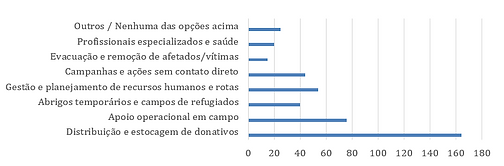
Chart 8 – Participants’ practical experience in humanitarian logistics
Explanatory caption: The data were compiled into categories considering the following segments: Donation distribution and storage, which includes donation distribution, transportation, storage, reverse logistics, and distribution during drought periods; Field operational support, including fire support, disaster team support, mobility, and medication use; Temporary shelters and refugee camps; Human resource and route management and planning, which includes human resource management, organization of evacuation routes, resource structuring, internal planning, population training, and fundraising; Campaigns and actions without direct contact, such as campaigns and demand studies without direct interaction; Evacuation and removal of affected individuals or victims, including people and animals, and water truck refueling; Specialized professionals and health, including doctors, nurses, psychologists, social workers, and rescue workers; and, finally, Other or None of the above, which includes other cases, none of the above, all of the above, or all of the above.
This heterogeneity of training, combined with the lack of standardization and clear regulatory frameworks, contributes to a scenario of institutional improvisation and potential vulnerability in humanitarian operations. The analysis reinforces the need for structured training programs, integration between sectors, and standardization of procedures to reduce risks and increase the effectiveness of humanitarian responses.
Degree of Knowledge
Approximately 46% of respondents reported having specific training in Humanitarian Logistics, obtained through courses, undergraduate degrees, postgraduate degrees, or international specializations in the field. The remaining 54% reported working in humanitarian contexts without formal technical training, acquiring knowledge primarily through practical experience, attending lectures, or informal means. Although the majority demonstrated familiarity with the concept of humanitarian logistics, detailed analysis reveals that many possess only basic knowledge, highlighting knowledge gaps and reinforcing the need for structured and ongoing training programs.
Graph 9 – Participants’ level of knowledge about humanitarian logistics


Chart 10 – Desirable knowledge and qualifications for working in the State Civil Defense and Protection sector according to participants
When analyzing participants' perceptions of the qualifications required to work in each sector involving humanitarian logistics, two strategic segments stand out: State Civil Defense and Protection and Mobility and Operational Support. In the State Civil Defense and Protection sector, respondents indicated that the ideal training varies depending on the complexity of the planning and coordination activities required in disaster situations. According to the participants' perceptions, approximately 18% consider a master's degree in humanitarian logistics necessary, 22% a postgraduate degree, 20% an undergraduate degree, 15% specific courses, and 25% believe it would be possible to work without formal technical knowledge. These data demonstrate that, in the professionals' view, even in strategic sectors, there is consensus on the importance of advanced qualifications, although some activities can be performed with practical experience.
In the Mobility and Operational Support sector, focused on transportation logistics, storage, and support for humanitarian operations, respondents also noted a diversity of required qualifications: 15% had a master's degree, 20% had a postgraduate degree, 25% had an undergraduate degree, 20% had a specific course, and 20% had no formal technical training. This perception highlights the importance of aligning qualifications with the demands of each role, reinforcing the need for ongoing training, standardized protocols, and encouraged formal education, ensuring safer and more efficient responses in emergency situations.

Chart 11 – Desirable knowledge and qualifications for working in the Mobility and Operational Support sector according to participants
Furthermore, the analysis by sector highlights the importance of aligning professional qualifications with specific demands: in temporary shelters, a postgraduate degree or master's degree is recommended; in donation management and collection centers, an undergraduate or postgraduate degree; in refugee camps, a master's or postgraduate degree; and in the Municipal Civil Defense and Protection Agency, a postgraduate degree or master's degree, always complemented by practical courses. These data reflect the reality of the sector: there is a significant group of professionals with solid academic training, but a considerable portion still lacks formal training. This disparity highlights the need for ongoing training policies, formalization of the profession, and dissemination of standardized methodologies, ensuring that humanitarian logistics work is efficient, safe, and aligned with the demands of each operational context. When comparing professionals' desire for training with institutional requirements and practical reality, a significant disconnect emerges. Although many express interest in courses, workshops, postgraduate programs, or master's degrees in humanitarian logistics, these opportunities are not always available or required by institutions. In several strategic sectors, professionals work with practical experience but without formal technical training, revealing gaps that impact process standardization, operational safety, and the effectiveness of humanitarian response. This disparity highlights the need for institutional policies that promote structured and continuous training, aligning individual expectations with organizational demands. This analysis highlights a certain disconnect between professionals' actual training and the qualifications they consider necessary for optimal performance in humanitarian logistics, reinforcing the importance of aligning institutional policies, training programs, and professional expectations.
7. RESULTS
7.1. PROFESSIONAL PROFILE, KNOWLEDGE AND HUMANITARIAN STRUCTURE
General Overview
The survey involved participants from various regions of Brazil and 54 countries, including Syria, Iran, Jordan, India, the United States, Canada, Germany, Spain, and Argentina, among others. Questionnaires administered in Portuguese, Spanish, English, and other languages allowed for the capture of diverse perspectives on humanitarian logistics in different national and international contexts.
Level of Knowledge and Training
Of the participants, approximately 66% stated they were familiar with the concept of humanitarian logistics. However, upon further investigation, only 37% demonstrated consistent knowledge, including mastery of concepts, legal frameworks, and practical experience. Direct experience in disasters and emergencies was identified as the primary source of learning, surpassing formal academic training. Among the most relevant sources cited were specialized books, free courses, and field experience, including the book "Humanitarian Logistics – Methodology of Donation Management Centers" (Douglas Sant'Anna da Cunha).
Professional and Institutional Profile
Humanitarian logistics work is primarily linked to public civil protection and defense institutions, emergency response forces, and national and international humanitarian organizations. Most respondents believe that the ideal professional should be multidisciplinary, with training in logistics and/or emergency management, and not necessarily with a military background. For 75%, the key is for this professional to be properly technically trained.
Employability and Interests
The survey revealed significant professional interest in the field: 88% expressed a desire to work in humanitarian logistics. This interest is concentrated in the most critical phases of the response: 86% identified the response phase as the most important, followed by prevention (74%) and recovery (58%).
Humanitarian Structure: National and International
In Brazil, although there have been advances in the National Civil Defense and Protection Policy (Law 12.608/2012), the responses reveal regional inequality. The Southeast and South concentrate most of the technical expertise, while the North and Central-West regions have low representation. Internationally, Europe and North America have greater institutional maturity, while African regions and parts of the Middle East face chronic structural challenges, often exacerbated by prolonged conflicts.
Technical Qualifications by Area
When asked about the qualifications required to work in technical sectors of the humanitarian response—Temporary Shelter, Donation Management/Donation Center, Refugee Camp, Civil Protection and Defense (Municipal and State), and Mobility and Operational Support—participants highlighted specific demands that reinforce the centrality of humanitarian logistics as a training axis. Data analysis shows that training in specific humanitarian logistics courses was the most prominent across all areas, with 49.9% of respondents reporting Temporary Shelters, 48.4% reporting Donation Centers, 39.3% reporting Refugee Camps, 47.5% reporting Municipal Civil Protection and Defense, 40.2% reporting State Civil Protection and Defense, and 40.8% reporting Mobility and Support.
-
An academic degree in humanitarian logistics was recognized as important, especially in Donation Centers (19.6%) and Refugee Camps (20.2%), areas that require greater mastery of logistical processes and humanitarian management.
-
Postgraduate and master's degrees were valued in sectors that demand greater institutional coordination and strategic vision, such as the State Civil Defense and Protection Agency (12.3% postgraduate and 14.1% master's degrees) and Refugee Camps (12.3% postgraduate and 11.1% master's degrees).
-
The number of participants who indicated the possibility of working without formal technical knowledge is significant—ranging from 13.2% to 24.6% depending on the sector. This data reveals not only the value placed on volunteering and practical experience, but also the fragility in defining specific competencies. The lack of clarity regarding the segment's requirements tends to minimize the relevance of technical knowledge, which can result in lower performance standards and the acceptance of less efficient responses. This perception connects with other research findings, reinforcing the need to standardize minimum qualifications and raise awareness of the complexity of humanitarian logistics.
Thus, the research reveals that, in addition to the specific knowledge described (such as social assistance in shelters, stock management in donations, geopolitics in refugee camps, institutional coordination in protection and civil defense, and transport logistics in mobility and support), there is a strong expectation of structured training in humanitarian logistics as a common basis for all areas of activity.
Legislation and Technical Frameworks
Participants highlighted the need for knowledge of the main regulations, such as:
-
Law No. 12,608/2012 (PNPDEC - Brazil)
-
UN Guidelines and Project Esfera
-
Sendai Framework and the International Red Cross Handbook
For 92% of respondents, humanitarian logistics professionals must be specialists with specific training. Meanwhile, 78% stated that military experience is not required, only technical experience.
8. REFLECTIONS ON THE RESULTS
Despite the advancement of the area, the data reveal a gap between the knowledge that participants claim to possess and its effective practical application. Working in humanitarian logistics requires not only technical expertise, but also field experience and sensitivity to the human and social dimensions of crises.
Critical Discussion
Analysis of the survey data highlights a multifaceted panorama of humanitarian logistics, both in Brazil and internationally, characterized by specific advances, but still marked by significant structural and training gaps. The participation of national and foreign professionals demonstrates the growing mobilization around the topic, while highlighting the urgent need for professional consolidation, standardization and standardization of practices.
Although the majority of participants (approximately 66%) claim to be familiar with the concept of humanitarian logistics, the data indicate that, in many cases, this knowledge is limited to practical experiences or generic training. When crossing this self-perception with the type of activity, level of education and institutional insertion, it is observed that specific technical knowledge is a minority. Only a small portion of the participants had formal experience or structured work in humanitarian logistics. Approximately 25% had already been involved in humanitarian logistics processes, while less than 20% worked in institutions with dedicated departments. Furthermore, most institutional departments lacked professionals with specific training: only about 15% of respondents reported working on teams with specialized courses in humanitarian logistics, and an even smaller portion, approximately 8%, had a degree in the field, highlighting significant gaps in formal training.
Another relevant point concerns the occurrences in which the participants acted. Most have been involved in floods, landslides, pandemics, fires and armed conflicts. However, few reported participating in more structured actions, such as planned shelters, strategic storage or organization of evacuation routes, essential for efficient logistics. In the case of conflicts and migration crises, the creation of refugee camps was rarely mentioned, which also reflects the fact that most of the countries represented in the research do not have this type of structure, given the specificity and complexity of this type of operation. In the case of conflicts and migration crises, the creation of refugee camps was rarely mentioned, which also reflects the fact that most of the countries represented in the research do not have this type of structure, given the specificity and complexity of this type of operation.
Furthermore, when asked about the existence of specific sectors in their institutions, around 53% said yes, but qualitative data reveals that these sectors are not always occupied by qualified professionals. This finding reinforces the fragility of the system and its vulnerability to complex, large-scale events.
The reports also reveal some confusion between humanitarian logistics and the functions of civil protection and defense, as well as varying perceptions about the military or civilian nature of the ideal professional to work in this field.The vast majority of participants (92%) believe that the professional does not need to be military, and when asked about their preference, 63% indicate that it is indifferent whether the professional is military or civilian, 22% believe that they must be civilian, 4% that they must be military, and 9% point to other possibilities. These data reinforce that, regardless of origin, action must be based on specific technical skills and specialized knowledge in humanitarian logistics.
The media has frequently highlighted episodes of mismanagement, misappropriation of resources, and operational failures in humanitarian missions — along with participant accounts, they point to the urgent need for clearer legal frameworks, stricter international protocols, and mandatory training for those involved.
In short, the research shows that, despite the growing visibility of humanitarian logistics, it is still a field under construction, with significant challenges in terms of training, professionalization, inter-institutional coordination and regulatory presence. For effective action in disasters and conflicts, it is essential to invest in training, standardization, and the construction of collaborative networks between governments, NGOs, the private sector, and civil society.
9. CONTEXTO E LEGISLAÇÃO
A logística humanitária, enquanto componente estratégico da resposta a desastres, encontra respaldo em legislações nacionais e diretrizes internacionais. No Brasil, a Lei nº 12.608/2012, que institui a Política Nacional de Proteção e Defesa Civil (PNPDEC), define competências das esferas federal, estadual e municipal na prevenção, preparação, resposta e recuperação frente a desastres, incluindo a organização de sistemas de informação, centros de gestão de donativos e integração entre órgãos públicos e privados – um reconhecimento implícito da importância logística nos processos emergenciais. No entanto, a pesquisa evidencia lacunas significativas na execução das ações humanitárias, como preparo técnico insuficiente, protocolos pouco claros e dificuldades de coordenação entre União, estados e municípios. Essas deficiências, refletidas no cotidiano das operações, parecem repercutir também na formulação de políticas públicas e legislações, como o PL 698/2022, que busca centralizar e organizar a distribuição de doações, prevendo centros de recebimento, triagem, estocagem e mecanismos de gestão de informações integradas. Embora represente um avanço legislativo, a proposta ainda pode enfrentar obstáculos práticos, como sobrecarga de recursos, falhas na triagem e fiscalização e desafios de coordenação em situações complexas, reforçando que a efetividade depende de protocolos claros, formação técnica especializada e mecanismos rigorosos de supervisão, de modo a garantir que os recursos doados atendam de fato às demandas locais e às necessidades das populações afetadas.
No plano internacional, marcos como o Marco de Sendai para Redução de Riscos de Desastres (2015–2030), promovido pela ONU, reforçam a relevância de estruturas logísticas eficientes e coordenadas em todas as fases do ciclo de desastres. O documento recomenda o fortalecimento de capacidades institucionais para o gerenciamento de recursos, suprimentos e rotas em situações críticas, promovendo resiliência e resposta eficaz.
Casos emblemáticos, como o rompimento da barragem em Brumadinho (2019) e outros desastres no Brasil, evidenciaram falhas na coordenação logística, incluindo atrasos na chegada de suprimentos, sobreposição de esforços e distribuição inadequada de donativos. Relatos extraídos da mídia apontam problemas como desvios de doações, armazenamento inadequado de mantimentos e atrasos na entrega de suprimentos emergenciais. Esses episódios evidenciam lacunas estruturais na resposta humanitária, reforçando a necessidade de protocolos claros, formação técnica obrigatória e marcos legais mais rigorosos, como o Projeto de Lei 4515/08, que propõe aumento da pena para quem furta donativos destinados a vítimas de calamidades.
Os dados desta pesquisa confirmam esse cenário: apenas 52% das instituições declararam possuir um setor específico voltado à logística humanitária, e entre essas, 35% são compostas por profissionais sem qualificação técnica específica. Além disso, embora 285 participantes tenham afirmado conhecer o conceito de logística humanitária, análises qualitativas revelam que uma parcela significativa possui conhecimento superficial ou meramente intuitivo.
A discrepância entre normas legais e a realidade operacional ressalta a necessidade urgente de profissionalização, formação técnica continuada e consolidação de políticas públicas que garantam a eficácia da logística em cenários de crise. A legislação existe, mas sua aplicação depende da capacidade de articulação entre setores, investimentos em capacitação e compromisso político com a proteção integral das populações vulneráveis.
10. CONCLUSION
Based on the previous analyses, the following conclusions support strategic recommendations for strengthening the area.
An analysis of 341 participants from 55 countries reveals that humanitarian logistics, although widely discussed, remains poorly understood and rarely institutionalized in a technical and efficient manner. The survey showed that many of those who claim to be familiar with the topic have only a practical or general understanding, without specific training, and in many cases, they work in institutions where there is not even a structured department dedicated to this purpose.
The predominance of participants from Brazil, especially from states like São Paulo, Rio de Janeiro, and Minas Gerais, is associated with high-impact historical events, such as the Mariana and Brumadinho disasters, in which the author worked directly. This experience contributed to the local dissemination of knowledge in humanitarian logistics. It is observed that some universities have sought to include the topic in their curricula, albeit to a limited extent, reflecting a division between the academic and operational worlds. In practice, the effectiveness of humanitarian logistics depends on the integration of these universes—field professionals, researchers, policymakers, public and private agencies, military and civilian personnel, NGOs, and civil society—jointly developing policies, protocols, and action strategies. This link between theory and practice is essential to ensure that humanitarian actions are effective, coordinated, and sustainable. Internationally, the strong participation of Syria and countries affected by armed conflict or socio-environmental disasters demonstrates the interest of professionals living or working in emergency contexts, reinforcing the importance of approaching the topic from a global perspective.
However, a critical analysis of the data indicates that the lack of specific training and the lack of standardization of logistical structures negatively impact the efficiency of the humanitarian response, causing waste, rights violations, and risks to the dignity of affected populations.
The weaknesses identified in the training, practices, and composition of humanitarian logistics sectors reveal the need for clear public policies, regulations, and guidelines that strengthen the technical role of this field. Investment in training, inter-institutional protocols, and accountability mechanisms are essential steps to transform humanitarian logistics from improvised to strategic.
This research, therefore, not only reveals data but also exposes a still precarious system and proposes paths toward its professionalization. Humanitarian logistics needs to be recognized as an independent and specialized field of activity, with the structure, budget, and human resources capable of working from prevention to recovery from disasters and conflicts.
Given the results and analyses presented, the need for structural measures that promote the consolidation of humanitarian logistics as a permanent public policy, based on technical, ethical and institutional foundations, becomes evident.
The following recommendations reflect key insights from the research and propose practical ways to strengthen professional training, standardize procedures, and integrate the various actors involved in the humanitarian response.
11. RECOMMENDATIONS
The consolidation of humanitarian logistics as a permanent public policy requires recognition of its centrality in responses to emergencies, socio-environmental disasters and socio-technological crises. Based on the empirical evidence from this research—which involved 341 participants from 55 countries—combined with current legislation, international frameworks, and recent practical experiences, the following strategic guidelines are proposed:
a. Institutionalization of specific humanitarian logistics sectors
The creation and strengthening of specific humanitarian logistics sectors are fundamental measures to ensure rapid, effective, and coordinated responses to emergencies. Law No. 12.608/2012, which established the National Civil Defense and Protection Policy (PNPDEC), already mandates the existence of a minimum technical and organizational structure in municipalities, proportional to their population and level of risk, including the formation of Municipal Civil Defense Units (NUDEC) and the development of contingency plans.
Therefore, it is recommended that the implementation of Law No. 12.608/2012 be improved, with effective oversight mechanisms, technical audits, and federal incentives to encourage municipalities—especially medium- and large-sized ones—to fully comply with the requirements. Furthermore, it is proposed that the legislation be supplemented by mandating the presence of qualified humanitarian logistics professionals in public agencies, in order to ensure the professionalization, standardization, and efficiency of the sector.
It is essential that there be a clear institutional definition regarding the agency responsible for humanitarian logistics at the municipal level. Although in some locations, responsibility for managing donations or emergency logistics is assigned to social services, this designation can compromise action and results, since humanitarian logistics is a strategic responsibility that must be coordinated by the Civil Defense and Protection Agency. Social assistance should work in conjunction with Civil Protection and Defense, contributing to social mapping, vulnerability identification, and humanitarian support for affected families. However, the logistical management of operations—including planning, receipt, storage, distribution, and traceability of resources—should be led by a specialized technical sector with formally recognized responsibilities within the scope of civil protection and defense.
These centers must have defined operational protocols, integration with health, security, transportation, and social assistance systems, and full capacity to act in the disaster prevention, response, and recovery phases.
b. Specialized technical and academic training
Most professionals (77.4%) reported acquiring their knowledge through practical experience, without formal training in the field. Only 8.2% have a degree in humanitarian logistics, while 14.4% have completed independent training. The results indicate the need to include the discipline in undergraduate courses (engineering, social work, administration, health, public management), expand postgraduate courses and promote national and international certifications (such as Sphere, IFRC, Sendai Framework), in addition to regular training to consolidate the technical training of professionals.
c. Professionalization and legal recognition
Just as doctors and firefighters have official recognition, humanitarian logistics professionals need to be regulated with defined responsibilities, technical certifications, and recognition by professional councils or bodies. Law No. 12,608/2012 already highlights the importance of donation management, but it is necessary to move towards formal recognition of the profession and its incorporation into civil protection and defense policies.
d. Structuring donation management centers and strategic stocks
It is recommended that permanent centers be established for receiving, sorting, storing and distributing donations, with preventive action and rapid mobilization capacity. These centers must be linked to municipal, state, and international systems, have mapped logistics routes, and be integrated with databases and vulnerable population registries.
e. Legislation and standardized protocols
It is essential to advance legal frameworks that complement the National Civil Defense and Protection Policy (Law No. 12,608/2012), establishing clear and universal standards on planning, operation, screening, transportation, storage and logistical assessment in emergency situations. The legislation already determines, in its Article 8, item XII, that it is the responsibility of municipalities to promote the collection, distribution and control of supplies in disasters. However, the practical application of this device has been fragile, and, in many cases, the activity is unduly delegated exclusively to social assistance sectors, without the necessary logistical and technical preparation.
The existence of well-defined operational protocols reduces the risk of waste, deviations, overlapping efforts and operational failures, ensuring effectiveness, equity and traceability in serving affected populations. To this end, it is essential that the sector responsible for humanitarian logistics be linked to the structure of the municipal Civil Defense and Protection Agency, with intersectoral action coordinated with areas such as social assistance, health, transportation, and security.
In this context, it is strategic to review and improve Bill No. 698/2022, which aims to amend Law No. 12,340/2010 to include provisions on federal support for organizing supply receiving and sending centers. While the proposal reinforces the importance of logistical structuring, it must be compatible with the primary responsibility of municipalities—as already provided for in Law No. 12,608/2012—and include safeguards such as:
-
Transfer of resources through municipal civil defense and protection funds;
-
Requirement for accountability and federal oversight of the structures created;
-
Inclusion of qualified professionals in the management of logistics centers;
Furthermore, it is recommended that the Municipal Contingency Plan be updated, including a mandatory humanitarian logistics management protocol, mapping out receiving centers, defining routes, distribution criteria, and forecasts for strategic stockpiling of supplies. Transparency and logistical efficiency must be understood as essential parts of guaranteeing the rights of affected populations.
f. International cooperation and exchange of good practices
The research revealed different realities among countries: regions like Syria, Jordan, and Turkey have high practical involvement but a fragile institutional structure; while Germany, Canada, and Portugal offer structured technical models. It is necessary to foster cooperation networks, joint missions, multilateral forums, and mobility programs to exchange successful strategies.
g. Financing and operational sustainability
Humanitarian logistics, often dependent on donations and emergency partnerships, requires permanent funding mechanisms. It is recommended that specific funding lines be created, budgetary provisions be included in multi-year plans, and tax incentives be provided for companies that invest in infrastructure, training, and humanitarian innovation.
h. Monitoring, evaluation and transparency
There is a lack of systematic indicators and data on logistical failures, deviations, inefficient deliveries, or poor practices. The development of traceability platforms, public audits, and technical observatories with the participation of universities, regulatory agencies, and civil society is suggested. Humanitarian logistics should be understood as a state policy and a right of vulnerable populations.
By implementing these recommendations, Brazil will not only be able to respond more effectively to emergencies and disasters, but also to establish itself as an ethical, technical, and innovative benchmark in global humanitarian management. This includes aligning with the fundamental principles of the Humanitarian Charter—such as the centrality of human dignity, impartiality, the participation of affected communities, and accountability—and adopting the minimum response standards proposed by the Esfera Project, which encompass everything from supply logistics to access to water, shelter, nutrition, and health. Building a solid humanitarian logistics system requires not only structures and laws, but also a commitment to equity, transparency, inter-institutional coordination, and a continuous focus on reducing human suffering. By doing so, Brazil will be able to make a significant contribution to saving lives with dignity, agility, and justice—making the humanitarian response more effective, predictable, and respectful of local and global realities.
12. REFERENCES
Legislation and Technical Frameworks
BRAZIL. Law No. 12,608 of April 10, 2012. Institutes the National Civil Defense and Protection Policy – PNPDEC; establishes the National Civil Defense and Protection System – SINPDEC; and contains other provisions. Official Gazette of the Union, Brasília, DF, April 11, 2012.
BRAZIL. Bill No. 698/2022. Establishes centers for receiving, sorting, and distributing donations in emergency situations. Brasília, DF, 2022.
BRAZIL. Bill No. 4515/2008. Amends the Penal Code to increase penalties for theft, misappropriation, or embezzlement of donations intended for disaster victims. Brasília, DF, 2008.
UN. Sendai Framework for Disaster Risk Reduction 2015–2030. Geneva: United Nations, 2015.
SPHERE PROJECT. Humanitarian Charter and Minimum Standards in Humanitarian Response. 4th edition. Geneva: The Sphere Association, 2018.
INTERNATIONAL FEDERATION OF RED CROSS AND RED CRESCENT SOCIETIES. Code of Conduct for the International Red Cross and Red Crescent Movement and NGOs in Disaster Relief. Geneva: IFRC, 1994.
Bibliography and Supplementary Sources
CUNHA, Douglas Sant' Anna da. Humanitarian Logistics: Methodology of Donation Management Centers. Ouro Preto: Editora UFOP, 2019.
MARTINS, Gilberto de Andrade; THEÓPHILO, Carlos Renato. Scientific Research Methodology for Applied Social Sciences. São Paulo: Atlas, 2021.
TOMASINI, Rolando; VAN WASSENHOVE, Luk N. Humanitarian Logistics. New York: Palgrave Macmillan, 2009.
VAN WASSENHOVE, Luk N. Humanitarian Aid Logistics: Supply Chain Management in High Gear. Journal of the Operational Research Society, vol. 57, p. 475–489, 2006.
UN. Global Assessment Report on Disaster Risk Reduction (GAR 2023). Geneva: UNDRR, 2023.